Bear River, 1863: A Massacre Far From the Front
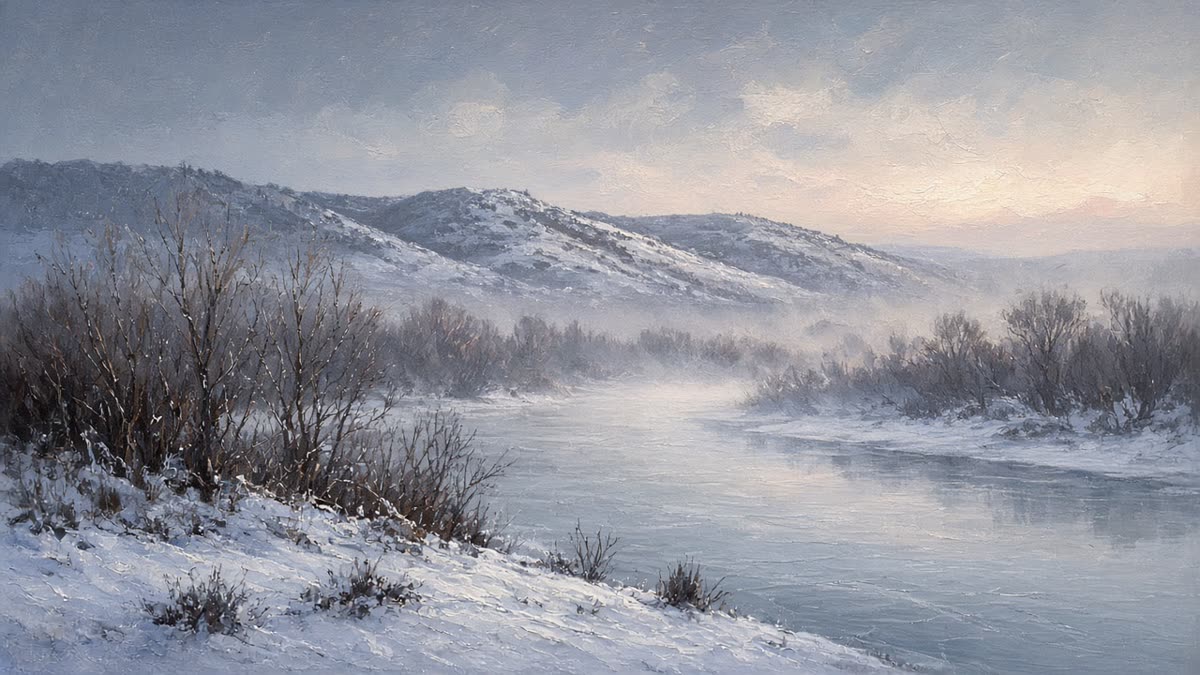
Some of the California Volunteers sent to guard the overland mail during the Civil War went to Utah instead of Arizona. In 1862 Colonel Patrick Edward Connor brought a regiment to Utah to protect the mail and telegraph lines, and he set up Camp Douglas above Salt Lake City.
After attacks on emigrants and miners, Connor marched about 200 soldiers north through bitter cold to a Northwestern Shoshone winter camp on the Bear River, in what is now southeastern Idaho. The troops attacked at dawn on January 29, 1863. Bear Hunter, the camp's leader, was killed. Estimates of Shoshone dead range from about 250 to more than 400, and many were women and children. Twenty-one soldiers died, 14 on the field and 7 later of their wounds.
From "battle" to "massacre"
Connor was promoted to brigadier general. For more than a century people in the area remembered the event as a battle. Historians now generally call it a massacre. In 1990 the site became a National Historic Landmark, now listed as the Bear River Massacre Site. In 2017 the Northwestern Band of the Shoshone Nation agreed to buy about 460 acres there, and it completed the purchase in 2018.
West of the War tells the story of Bear River and the other killings of the war in the West.
Sources: National Historic Landmark nomination, Bear River Massacre Site (National Park Service, NPGallery); Brigham D. Madsen, The Shoshoni Frontier and the Bear River Massacre (1985); Harold Schindler, "The Bear River Massacre: New Historical Evidence" (BYU Religious Studies Center); Northwestern Band of the Shoshone Nation, "Bear River Massacre" (nwbshoshone.com).
Illustration: AI-generated, artistic interpretation.